Unlocking the Visual Power of Chocolate Bar Font
A Typeface with Real Depth and Character
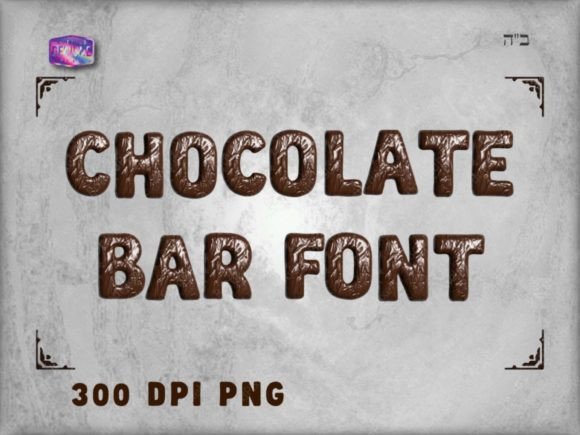
There are typefaces that sit quietly in the background, and then there are typefaces that walk into the room and own the conversation. Chocolate Bar Font belongs firmly in the second category. It’s a 3D color font that doesn’t just suggest texture and dimension—it delivers it directly onto your canvas. Imagine the rich, glossy sheen of a wrapped chocolate bar, the subtle shadows cast by its segmented form, and the irresistible appeal of a classic treat. That’s the visual personality captured here. This isn’t a flat, one-dimensional script or a sterile sans serif. It’s a display typeface with tangible depth, designed to inject a sense of fun, indulgence, and playful sophistication into any project it touches.
The style is unmistakably bold and contemporary. The letterforms are constructed with a convincing three-dimensional quality, complete with highlights and shadows that mimic light hitting a polished surface. The color integration is key; the font arrives as an OpenType-SVG file, meaning the rich, warm browns and creamy highlights are embedded directly into the glyphs. This eliminates the need for manual layering or complex effects in your design software—you get that full, vibrant, confectionery-inspired look with a single click. Its personality is confident, celebratory, and slightly nostalgic, making it a powerful tool for projects that need to convey joy, quality, and a touch of indulgent fun.
Where This Creative Font Truly Shines
Understanding a font’s ideal environment is crucial for effective design. Chocolate Bar Font isn’t a workhorse for body copy; it’s a specialist, a headline-grabber, and a focal point creator. Its strength lies in applications where visual impact is the primary goal. Think of the header on a bakery’s website, the title of a party invitation, or the logo for a specialty dessert brand. In packaging design, it can instantly communicate a product’s artisanal, gourmet, or celebratory nature. For a children’s party supply business or a gourmet hot chocolate company, this typeface becomes an instant brand identifier.
Its applications extend far beyond the food industry. Consider a social media graphic for a summer sale or a holiday promotion. The 3D effect stops the scroll, conveying excitement and a premium offer in a way a standard font cannot. In editorial design, it can be used sparingly for chapter titles in a cookbook or for pull quotes in a lifestyle magazine to add a thematic punch. Event planners and stationery designers will find it invaluable for creating memorable save-the-dates, birthday banners, and menu cards. Essentially, any project that benefits from a strong, thematic visual anchor—be it digital or print—is a prime candidate for this creative font.
Influence on Brand Perception and Audience Engagement
Choosing a typeface is a strategic decision. The Chocolate Bar Font does more than spell out words; it builds an immediate emotional connection. Its three-dimensional, tactile quality suggests craftsmanship and attention to detail. For a small business owner, using this font in a logo or on product labels can position the brand as playful yet professional, artisanal yet accessible. It tells a story of quality and enjoyment before a customer even reads the accompanying text. This kind of visual storytelling is invaluable for building brand identity and recognition.
From a readability and hierarchy standpoint, its role is clear. As a display font, it should be reserved for high-impact, low-word-count elements like titles, logos, and headers. Pairing it correctly is where the magic of modern typography comes into play. Imagine the robust, indulgent Chocolate Bar Font for a headline, set against a clean, geometric sans serif font for subheadings and body text. The contrast creates a dynamic visual hierarchy that guides the reader’s eye and makes the content easy to digest. Alternatively, pairing it with a elegant script font could create a luxurious, celebratory feel for wedding invitations or high-end event branding. The key is balance—letting the star of the show, this premium font, do its job without overwhelming the supporting cast.
A Practical Guide to Using This Typeface
Before you dive in, a practical evaluation is essential. First, confirm your software compatibility. As noted, this is an OpenType-SVG color font. It works seamlessly in recent versions of Adobe Photoshop, Adobe Illustrator, and other programs that support this advanced font technology. It is crucial to note that the standard OTF and TTF files are not compatible with cutting machines like Cricut; the 3D color effect requires software that can interpret the SVG data. Always test the font in your specific workflow before committing to a final project.
When evaluating its fit for a project, ask yourself: Does this design need a strong thematic statement? Is the tone celebratory, indulgent, or fun? If the answer is yes, proceed. Next, explore the included styles. Often, fonts like this come with alternate characters or stylistic sets that can add further uniqueness to your work. Spend time testing these in your design. Most importantly, consider the commercial licensing. If you’re using it for client work, merchandise, or products for sale, ensure the license covers your intended use. This commercial font is a design asset, and understanding its terms is part of professional practice.
Finally, treat it as a specialty tool in your typographic toolkit. You wouldn’t use a sledgehammer to hang a picture frame. Similarly, reserve Chocolate Bar Font for moments where its distinctive character will have the greatest positive effect. Use it to create a stunning hero image for a blog post, a captivating title for a YouTube thumbnail, or a memorable mark for a new product line. When used thoughtfully, it doesn’t just display text—it creates an experience, engages the senses, and delivers results that both you and your audience will love.